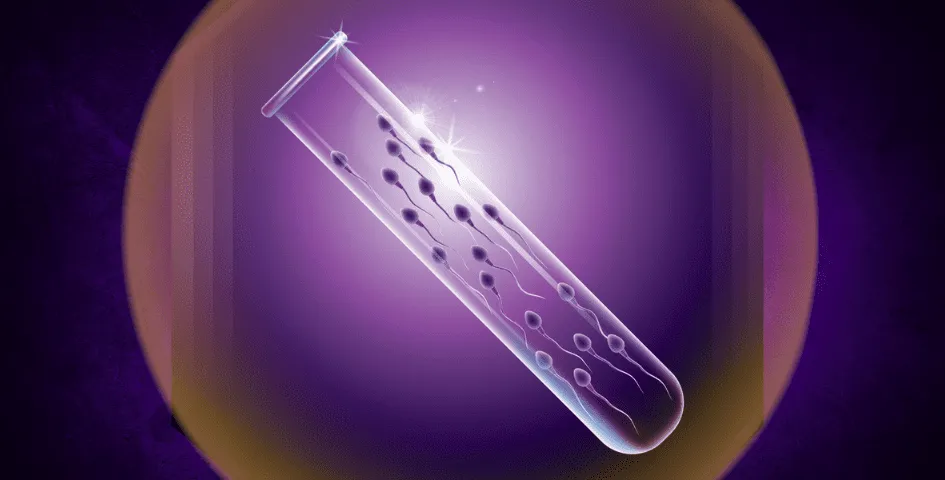
What Is a Semen Analysis?
A semen analysis, also called a sperm count test or seminogram, is a laboratory test that examines a sample of semen to evaluate the quantity, movement and shape of sperm. Semen is the fluid that contains sperm along with sugars, proteins and other substances that support sperm health.
This test is one of the most common and important investigations in male fertility assessment. It provides detailed information about how well sperm are being produced and whether they are capable of reaching and fertilizing an egg.
A semen analysis is typically ordered by a urologist, reproductive endocrinologist or fertility specialist. It is a straightforward, non-invasive test that provides valuable insight into a man's reproductive health.
Why Is a Semen Analysis Done?
A semen analysis is performed for several reasons related to fertility and reproductive health. Your healthcare provider may recommend this test if:
- You and your partner have been trying to conceive for 12 months or more without success (or 6 months if the female partner is over 35).
- You want a baseline evaluation of your fertility before starting a family.
- You are planning to undergo assisted reproductive treatments such as IUI, IVF or ICSI, and your provider needs to assess sperm quality.
- You have had a vasectomy and want to confirm that the procedure was successful (no sperm should be present in the sample).
- You have a medical condition that may affect fertility, such as varicocele, hormonal imbalances, history of undescended testes or previous infections.
- You have been exposed to factors that may impact sperm production, such as certain medications, radiation therapy or chemotherapy.
- You are considering sperm freezing (cryopreservation) and need to confirm sperm quality before storage.
How to Prepare for a Semen Analysis
Proper preparation is important to ensure accurate and reliable results. Your healthcare provider will give you specific instructions, but general guidelines include:
- Abstain from ejaculation for 2 to 5 days before the test. This means avoiding sexual intercourse and masturbation during this period. Too short or too long an abstinence period can affect the results.
- Avoid alcohol, tobacco and recreational drugs for at least 2 to 3 days before the test, as these substances can affect sperm quality.
- Inform your provider about any medications you are taking, including prescription drugs, over-the-counter medicines and herbal supplements. Some medications can affect sperm production.
- Avoid exposure to excessive heat before the test, such as hot baths, saunas, hot tubs or placing a laptop directly on your lap, as heat can temporarily reduce sperm count.
- Do not use lubricants during sample collection unless your provider approves a specific fertility-friendly type, as most lubricants can damage or slow sperm.
- Try to manage stress and get adequate sleep in the days leading up to the test, as stress and fatigue can temporarily influence semen parameters.
What Happens During the Test?
A semen analysis is a simple and non-invasive process. Here is what you can expect:
Collecting the Sample
The most common method is masturbation into a sterile, wide-mouthed collection cup provided by the clinic or laboratory. You may collect the sample in a private room at the clinic, which is the preferred option as it ensures the sample is analyzed quickly. In some cases, your provider may allow you to collect the sample at home, but it must be kept at body temperature and delivered to the laboratory within 30 to 60 minutes.
Alternative Collection Methods
If you are unable to produce a sample through masturbation, other options may be available. These include using a special non-toxic collection condom during intercourse (standard condoms contain chemicals that can damage sperm) or, in certain medical situations, surgical sperm retrieval procedures such as TESA or micro-TESE.
Laboratory Analysis
Once the sample is received, laboratory technicians will allow it to liquefy for 20 to 30 minutes at room temperature. The semen naturally thickens after ejaculation and then becomes liquid again. After liquefaction, the sample is examined under a microscope and through specialized equipment to evaluate multiple parameters including sperm count, motility, morphology and other characteristics.
What Do the Results Mean?
Your semen analysis report will include several key measurements. Based on the World Health Organization (WHO) 2021 reference values (6th edition), the following are considered within the normal range for fertile men:
- Semen volume: 1.5 mL or more per ejaculate. This measures the total amount of fluid produced. A low volume may suggest a blockage, retrograde ejaculation or a problem with the seminal vesicles or prostate.
- Sperm concentration: 16 million sperm per milliliter or more. This indicates the density of sperm in the semen. A lower count is called oligozoospermia.
- Total sperm count: 39 million sperm per ejaculate or more. This is the total number of sperm in the entire sample, calculated from the volume and concentration.
- Total motility: 42% or more of sperm should be moving. Motility refers to the ability of sperm to swim. Poor motility is called asthenozoospermia.
- Progressive motility: 30% or more of sperm should be swimming forward in a straight line or large circles. Progressive movement is essential for sperm to travel through the female reproductive tract.
- Morphology (normal forms): 4% or more of sperm should have a normal shape according to strict Kruger criteria. This evaluates the size and shape of the sperm head, midpiece and tail. Abnormal morphology is called teratozoospermia.
- Vitality: 54% or more of sperm should be alive. This is especially important when motility is low, to determine if the non-moving sperm are alive or dead.
- pH level: 7.2 or higher. The pH indicates the acidity or alkalinity of the semen. An abnormal pH may suggest an infection or a blockage in the reproductive tract.
- Liquefaction time: The sample should fully liquefy within 15 to 30 minutes after ejaculation. Delayed liquefaction may indicate a problem with the prostate gland.
- White blood cells: Fewer than 1 million per milliliter. A higher count may suggest an infection or inflammation in the reproductive tract, a condition called leukocytospermia.
It is important to understand that these values represent the lower reference limits. Being at or above these numbers does not guarantee fertility, and being slightly below does not necessarily mean you cannot conceive. Your fertility specialist will interpret your results in the context of your overall health and your partner's evaluation.
Abnormal Results and Next Steps
If your semen analysis shows abnormal results, it does not automatically mean you are infertile. Many factors can temporarily affect semen quality, and a single test may not reflect your true baseline. Your healthcare provider may recommend the following steps:
- Repeat testing — Because sperm production varies naturally, your provider will usually recommend a second semen analysis after 2 to 4 weeks to confirm the findings.
- Hormonal evaluation — Blood tests to check levels of testosterone, FSH (follicle-stimulating hormone), LH (luteinizing hormone) and prolactin can reveal underlying hormonal causes of abnormal sperm production.
- Scrotal ultrasound — An ultrasound of the testicles can detect varicocele (enlarged veins in the scrotum), cysts, tumours or other structural abnormalities.
- Genetic testing — In cases of very low or absent sperm count, karyotype analysis or Y-chromosome microdeletion testing may be recommended to identify genetic causes.
- Post-ejaculation urinalysis — If the semen volume is very low, a urine sample collected after ejaculation can check for retrograde ejaculation, where sperm travels backward into the bladder.
- Infection screening — If the white blood cell count is elevated, cultures and other tests may be performed to detect infections in the reproductive tract.
- Lifestyle modifications — Your provider may recommend changes such as quitting smoking, reducing alcohol intake, maintaining a healthy weight, managing stress and avoiding excessive heat exposure to improve sperm quality.
- Medical or surgical treatment — Depending on the cause, treatments may include antibiotics for infections, hormone therapy for hormonal imbalances or surgical correction of varicocele.
- Assisted reproductive techniques — If natural conception is unlikely, your provider may recommend IUI (intrauterine insemination), IVF (in vitro fertilization) or ICSI (intracytoplasmic sperm injection) based on the severity of the findings.
Common terms you may see on your report include: azoospermia (no sperm in the sample), oligozoospermia (low sperm count), asthenozoospermia (poor motility), teratozoospermia (abnormal morphology) and oligoasthenoteratozoospermia or OAT syndrome (a combination of low count, poor motility and abnormal morphology).
How Accurate Is a Semen Analysis?
A semen analysis is a well-established and reliable diagnostic tool, but there are a few things to keep in mind about its accuracy:
- Semen quality can fluctuate significantly from one sample to the next due to factors like stress, illness, sleep quality, diet and abstinence period. A single test provides a snapshot, not a complete picture.
- Most fertility specialists recommend at least two semen analyses, performed 2 to 4 weeks apart, to get a more accurate assessment of baseline sperm parameters.
- The accuracy of the test also depends on proper sample collection and handling. Samples collected at the clinic tend to be more reliable because they are analyzed promptly.
- Advanced testing methods such as computer-assisted sperm analysis (CASA) can provide more precise measurements of motility and concentration compared to manual assessment.
- A semen analysis evaluates the physical characteristics of sperm but does not assess sperm DNA integrity. If standard semen parameters are normal but fertility issues persist, your provider may recommend a sperm DNA fragmentation test for a more detailed evaluation.
When Should the Test Be Repeated?
Your healthcare provider may recommend repeating the semen analysis in several situations:
- If the first test shows abnormal results, a repeat test is usually done after 2 to 4 weeks to confirm the findings, since sperm parameters can vary naturally.
- If you have made lifestyle changes or started treatment to improve sperm quality, a follow-up analysis is typically done after 2 to 3 months, because it takes approximately 72 to 76 days for the body to produce a new batch of sperm (a full spermatogenesis cycle).
- After a vasectomy, semen analysis is usually performed at 8 to 16 weeks post-procedure to confirm the absence of sperm.
- After a vasectomy reversal, periodic semen analyses are done to check whether sperm has returned to the ejaculate.
- Before assisted reproductive procedures like IUI or IVF, a fresh semen analysis may be requested to plan the best approach for treatment.
- If you have an ongoing medical condition or are on medications that may affect sperm production, your provider may recommend periodic monitoring.
When Should You Contact Your Healthcare Provider?
While a semen analysis itself carries no physical risks, you should reach out to your healthcare provider or a fertility specialist if:
- You and your partner have been trying to conceive for 12 months without success (or 6 months if your partner is over 35).
- You have a known medical condition that could affect fertility, such as varicocele, history of undescended testes, prior genital surgery or a history of sexually transmitted infections.
- You notice changes in sexual function such as difficulty with ejaculation, reduced sexual desire, pain or swelling in the testicular area, or erectile difficulties.
- You have been exposed to environmental or occupational hazards such as chemicals, radiation or prolonged heat that may affect sperm production.
- You have received previous semen analysis results that were abnormal and want to discuss your options.
- You and your partner are considering fertility treatments and want to understand all available options at Fishtail IVF.
A Note from Fishtail IVF
We understand that undergoing a semen analysis can feel uncomfortable or stressful, and that concerns about fertility can carry a significant emotional weight. At Fishtail IVF, we want you to know that male factor infertility is common — it contributes to about 40 to 50 percent of all infertility cases — and it is nothing to feel embarrassed about.
Our team of experienced fertility specialists and andrologists in Nepal is here to provide you with a thorough, confidential evaluation and a clear explanation of your results. Whether your semen analysis is normal or shows areas of concern, we will work with you and your partner to create a personalized plan that gives you the best chance of achieving your dream of parenthood.
If you have questions about semen analysis or any aspect of male fertility, do not hesitate to reach out to our team at Fishtail IVF. Early evaluation and intervention can make a meaningful difference, and we are here to support you at every step of your journey.