What Is Preimplantation Genetic Testing (PGT)?
Preimplantation Genetic Testing (PGT) is a group of genetic tests performed on embryos created through in vitro fertilization (IVF) before they are transferred to the uterus. The goal is to identify embryos that are chromosomally normal or free from specific genetic conditions, allowing your fertility specialist to select the healthiest embryo for transfer.
During IVF, multiple embryos may be created. Not all embryos develop normally — some may carry extra or missing chromosomes, or inherit genetic mutations that could lead to serious health conditions. PGT allows us to examine the genetic makeup of each embryo so that only those with the best potential for a healthy pregnancy are selected for transfer.
PGT has become an important tool in modern reproductive medicine. It does not alter the DNA of an embryo in any way. Instead, it provides valuable information that helps you and your fertility team make more informed decisions about which embryos to transfer, freeze, or set aside.
Types of Preimplantation Genetic Testing
There are three main types of PGT, each designed to detect different kinds of genetic or chromosomal concerns. Your fertility specialist will recommend the type most appropriate for your situation.
PGT-A (Preimplantation Genetic Testing for Aneuploidy)
PGT-A screens embryos for aneuploidy, which is the presence of an abnormal number of chromosomes. A healthy human cell contains 46 chromosomes (23 pairs). Embryos with too many or too few chromosomes — such as those with trisomy (an extra chromosome) or monosomy (a missing chromosome) — are less likely to implant, more likely to result in miscarriage, or may lead to conditions such as Down syndrome (trisomy 21).
- Screens all 23 pairs of chromosomes for extra or missing copies.
- Helps identify embryos most likely to lead to a successful pregnancy.
- Particularly beneficial for individuals over 35, as the rate of chromosomal abnormalities in embryos increases with age.
- Can reduce the risk of miscarriage caused by chromosomal errors.
- May improve IVF success rates by allowing transfer of chromosomally normal (euploid) embryos.
PGT-M (Preimplantation Genetic Testing for Monogenic/Single-Gene Disorders)
PGT-M is used when one or both partners are known carriers of a specific single-gene (monogenic) disorder. This test looks for the specific genetic mutation that causes the condition, allowing only unaffected embryos to be selected for transfer.
- Tests for specific inherited conditions such as cystic fibrosis, sickle cell disease, Huntington's disease, spinal muscular atrophy (SMA), thalassemia, and fragile X syndrome.
- Requires prior genetic counseling and a customized test (called a probe) designed for your family's specific mutation. This preparation typically takes several weeks before the IVF cycle begins.
- Both autosomal dominant and autosomal recessive conditions can be tested.
- Helps couples who are known carriers avoid passing a serious genetic disease to their child.
- May also be used for conditions such as hereditary cancer syndromes (e.g., BRCA1/BRCA2 mutations).
PGT-SR (Preimplantation Genetic Testing for Structural Rearrangements)
PGT-SR is designed for individuals who carry a structural chromosomal rearrangement, such as a translocation, inversion, or deletion. People with these rearrangements are often healthy themselves but face a higher risk of producing embryos with an unbalanced set of chromosomes, which can lead to implantation failure, recurrent miscarriage, or children born with chromosomal abnormalities.
- Tests for unbalanced chromosomal rearrangements including reciprocal translocations, Robertsonian translocations, inversions, and deletions.
- Carriers of balanced translocations may appear healthy but can have significant difficulty conceiving or carrying a pregnancy to term.
- PGT-SR helps identify embryos with a balanced or normal chromosomal arrangement.
- Recommended for individuals with a known chromosomal rearrangement detected through karyotype testing.
- Can significantly reduce the risk of recurrent pregnancy loss in affected individuals.
Why Is PGT Done?
PGT is performed to improve the likelihood of a healthy pregnancy and to reduce the emotional and physical toll of unsuccessful IVF cycles or pregnancy loss. There are several reasons your fertility specialist may recommend PGT:
- Advanced maternal age (typically 35 years or older) — The risk of chromosomal abnormalities in embryos increases significantly with age. PGT-A can help identify the embryos most likely to result in a healthy pregnancy.
- Recurrent pregnancy loss — Couples who have experienced two or more miscarriages may benefit from PGT, as chromosomal abnormalities are a leading cause of early pregnancy loss.
- Repeated IVF failure — If previous IVF cycles have not resulted in pregnancy despite transferring good-quality embryos, PGT can help determine whether chromosomal issues are a contributing factor.
- Known carrier status for a genetic disorder — If either partner carries a gene mutation for a serious inherited condition, PGT-M can prevent the transmission of that disorder to the next generation.
- Known chromosomal rearrangement — Individuals with a balanced translocation or other structural rearrangement may benefit from PGT-SR to select embryos with a normal or balanced chromosomal complement.
- Family history of genetic conditions — Even without confirmed carrier status, a strong family history of a specific genetic disease may warrant genetic counseling and possible PGT.
- Desire to reduce the risk of multiple pregnancies — By selecting the single healthiest embryo for transfer, PGT supports elective single embryo transfer (eSET), reducing the chance of twins or higher-order multiples.
How Is PGT Performed?
PGT is performed as part of an IVF cycle. The testing itself involves three key stages: embryo biopsy, genetic analysis, and results interpretation. Here is what happens at each stage:
Embryo Biopsy (Trophectoderm Biopsy)
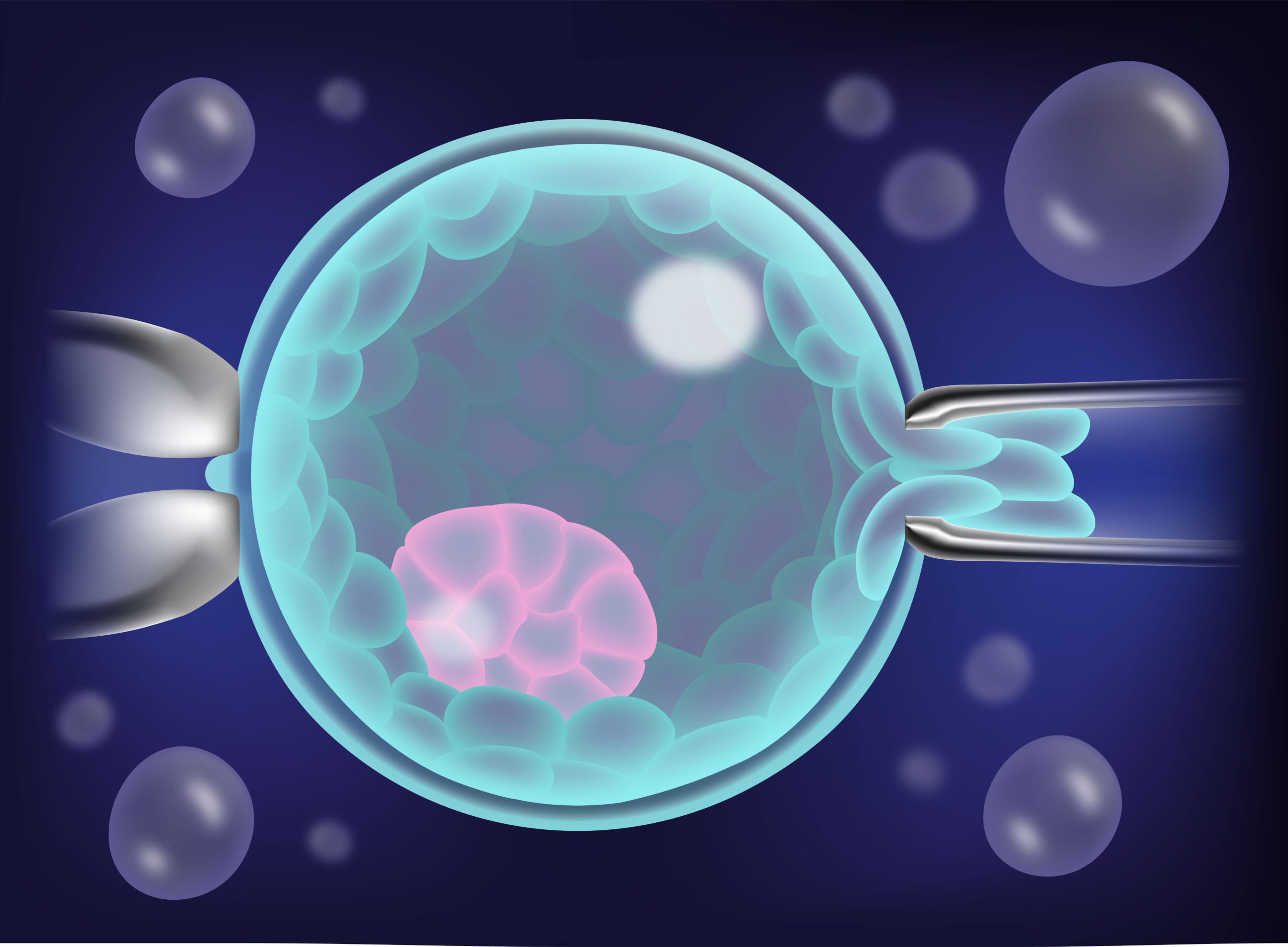
The biopsy is the physical step where a small number of cells are removed from each embryo for testing. It is typically performed on day five or six of embryo development, when the embryo has reached the blastocyst stage.
- At the blastocyst stage, the embryo has developed into two distinct cell groups: the inner cell mass (which will become the baby) and the trophectoderm (which will become the placenta).
- An embryologist carefully removes approximately five to ten cells from the trophectoderm using a laser-assisted technique. The inner cell mass is not disturbed.
- This procedure is performed under a high-powered microscope with precision instruments and is considered safe with minimal risk to the embryo.
- After the biopsy, embryos are typically vitrified (flash-frozen) and stored while awaiting test results.
Genetic Analysis in the Laboratory
The biopsied cells are sent to a specialized genetics laboratory for analysis. The technique used depends on the type of PGT being performed.
- PGT-A commonly uses next-generation sequencing (NGS) to examine all 23 pairs of chromosomes and detect any extra or missing copies.
- PGT-M uses polymerase chain reaction (PCR) or similar molecular techniques targeted at the specific gene mutation identified in the family.
- PGT-SR uses methods such as NGS or array comparative genomic hybridization (aCGH) to detect unbalanced structural rearrangements.
- The analysis is highly specialized and is performed by trained genetic technologists and reviewed by clinical geneticists.
Receiving Your Results
Results are typically available within one to two weeks after the biopsy. Your fertility specialist and genetic counselor will review the results with you in detail.
- For PGT-A, embryos are classified as euploid (normal chromosome number), aneuploid (abnormal chromosome number), or mosaic (a mixture of normal and abnormal cells).
- For PGT-M, embryos are identified as affected, unaffected, or carrier for the specific genetic condition tested.
- For PGT-SR, embryos are classified as balanced/normal or unbalanced for the structural rearrangement.
- Based on the results, your doctor will discuss which embryos are suitable for transfer and help you plan the timing of your frozen embryo transfer (FET) cycle.
What to Expect During the PGT Process
Because PGT is performed during an IVF cycle, much of the experience is the same as a standard IVF cycle — including ovarian stimulation, egg retrieval, and fertilization. There are a few additional steps and considerations specific to PGT:
- Before your IVF cycle begins, you will meet with a genetic counselor who will explain the type of PGT recommended for you, discuss what the test can and cannot detect, and answer your questions.
- If you are having PGT-M, preparation of a customized genetic probe is needed well in advance. This requires DNA samples from both partners (and sometimes other family members) and can take four to six weeks.
- Your IVF cycle will proceed as usual through egg retrieval, fertilization, and embryo culture. Embryos are grown to the blastocyst stage (day five or six) before the biopsy is performed.
- After the biopsy, your embryos will be vitrified and stored. This means most PGT cycles involve a planned frozen embryo transfer in a subsequent cycle rather than a fresh transfer.
- You will typically wait one to two weeks to receive results, during which time your care team is available to support you.
- Once results are available, your doctor will review them with you and plan your frozen embryo transfer. You will take medications to prepare your uterine lining before the transfer.
It is natural to feel anxious during the waiting period. Our team at Fishtail IVF understands this and is here to provide guidance and emotional support at every step.
Success Rates and Benefits of PGT
PGT offers several meaningful benefits that can improve your IVF experience and outcomes. While it does not guarantee pregnancy, it provides important advantages:
- Higher implantation rates — Transferring a chromosomally normal embryo has been shown to improve implantation rates compared to transferring an untested embryo.
- Reduced miscarriage risk — A significant proportion of early miscarriages are caused by chromosomal abnormalities. By selecting euploid embryos, PGT-A can lower the miscarriage rate to approximately 10-15%, compared to 20-25% in unscreened transfers.
- Shorter time to pregnancy — By avoiding the transfer of embryos that are unlikely to succeed, PGT can reduce the number of unsuccessful transfer cycles, potentially helping you achieve pregnancy sooner.
- Support for single embryo transfer — PGT allows confident selection of a single embryo for transfer, reducing the risks associated with multiple pregnancies (such as preterm birth and low birth weight) without compromising success rates.
- Prevention of genetic disease transmission — PGT-M enables couples who carry serious genetic conditions to have biological children without passing on the disease.
- Improved outcomes for translocation carriers — PGT-SR significantly reduces the rate of miscarriage and failed implantation for individuals with chromosomal rearrangements.
- Informed decision-making — PGT results give you and your medical team valuable information to make well-informed choices about embryo transfer and family planning.
Studies have shown that the live birth rate per transfer of a PGT-A screened euploid embryo can be approximately 50-65%, depending on factors such as the patient's age and overall health. However, it is important to note that PGT improves outcomes per transfer rather than necessarily improving the overall cumulative success rate per IVF cycle, since some embryos may be found to be abnormal and not available for transfer.
Risks and Limitations of PGT
While PGT is a valuable tool, it is important to understand its limitations so that you can make a fully informed decision:
- No test is 100% accurate — PGT has a high accuracy rate (approximately 95-99%), but there is a small chance of false-positive results (an embryo labeled abnormal that is actually normal) or false-negative results (an embryo labeled normal that actually has an abnormality). Confirmatory prenatal testing such as chorionic villus sampling (CVS) or amniocentesis is still recommended during pregnancy.
- Embryo mosaicism — Some embryos contain a mixture of chromosomally normal and abnormal cells (mosaicism). The clinical significance of mosaic embryos is still an active area of research. In some cases, mosaic embryos may be considered for transfer after careful counseling.
- Possible embryo damage — The biopsy procedure carries a very small risk (approximately 1-2%) of damaging the embryo, although modern techniques have made this rare.
- Not all embryos reach biopsy stage — Some embryos may not develop to the blastocyst stage, leaving fewer embryos available for testing. In some cases, there may be no embryos suitable for biopsy.
- No normal embryos to transfer — It is possible that all tested embryos may be found to have chromosomal abnormalities, leaving no embryos available for transfer in that cycle. This can be emotionally difficult, but it provides important information about why previous pregnancies may have been unsuccessful.
- PGT does not test for all conditions — PGT screens for specific chromosomal or genetic abnormalities. It does not check for every possible genetic condition, birth defect, or developmental issue. A normal PGT result does not guarantee a healthy baby.
- Additional cost and time — PGT adds to the overall cost of an IVF cycle and typically requires embryo freezing, which means a frozen embryo transfer in a later cycle rather than a fresh transfer.
- Requires IVF — PGT can only be performed on embryos created through IVF. It cannot be used with natural conception or intrauterine insemination (IUI).
Who Should Consider PGT?
PGT may be recommended or considered in a variety of clinical situations. You may be a good candidate for PGT if any of the following apply to you:
- You are 35 years of age or older and undergoing IVF — The likelihood of chromosomal abnormalities in embryos increases with maternal age, making PGT-A particularly beneficial.
- You have experienced recurrent miscarriages — Two or more pregnancy losses may be related to chromosomal issues in the embryos, and PGT can help identify the cause.
- You have had multiple unsuccessful IVF cycles — If previous transfers of good-quality embryos have not resulted in pregnancy, PGT may reveal underlying chromosomal factors.
- You or your partner is a known carrier of a single-gene genetic disorder — Conditions such as cystic fibrosis, sickle cell disease, thalassemia, spinal muscular atrophy, or Huntington's disease can be screened with PGT-M.
- You or your partner has a chromosomal rearrangement — A balanced translocation, inversion, or other structural change detected on karyotype testing may benefit from PGT-SR.
- You have a family history of a serious genetic condition — Genetic counseling can help determine whether PGT is appropriate based on your family history.
- You are planning a single embryo transfer — PGT can help your doctor select the single best embryo for transfer, supporting a healthy singleton pregnancy.
- You have a previous child or pregnancy affected by a chromosomal or genetic condition — PGT can help reduce the risk of recurrence in future pregnancies.
Not everyone undergoing IVF needs PGT. Your fertility specialist and genetic counselor will assess your individual situation and help you decide whether PGT is appropriate for you. The decision is always yours, and our team at Fishtail IVF will support you regardless of the path you choose.
When Should You Contact Your Healthcare Provider?
If you are considering PGT or are already undergoing the process, reach out to your healthcare provider in the following situations:
- You have questions about which type of PGT is right for your situation.
- You or your partner has a known genetic condition or carrier status and would like to discuss your options.
- You have a family history of a genetic disorder and want to learn whether PGT could help.
- You have experienced recurrent miscarriages or repeated IVF failure and want to explore whether genetic testing may be beneficial.
- You have received your PGT results and need help understanding what they mean for your treatment plan.
- You are feeling anxious, overwhelmed, or uncertain about the PGT process and would like to speak with a counselor.
- You have concerns about the cost, timeline, or logistics of adding PGT to your IVF cycle.
At Fishtail IVF, we encourage open communication. No question is too small, and our genetic counselors and fertility specialists are here to provide clear, compassionate guidance at every stage of your journey.
A Note from Fishtail IVF
We know that navigating fertility treatment involves many decisions, and choosing whether to include preimplantation genetic testing is one of the most important ones. At Fishtail IVF, our goal is to provide you with the information, expertise, and support you need to make the choice that is right for your family.
Our team includes experienced fertility specialists, skilled embryologists, and dedicated genetic counselors who work together to ensure that every step of your PGT journey is handled with precision and care. We use advanced laboratory techniques and follow internationally recognized protocols to deliver accurate and reliable results.
Whether you are just beginning to explore PGT or are ready to start your IVF cycle with genetic testing, we are here to walk alongside you. Every family's story is different, and we are honored to be part of yours. Please reach out to us with any questions — we are here to help you take the next step toward building your family with confidence.