What Is IVF (In Vitro Fertilization)?
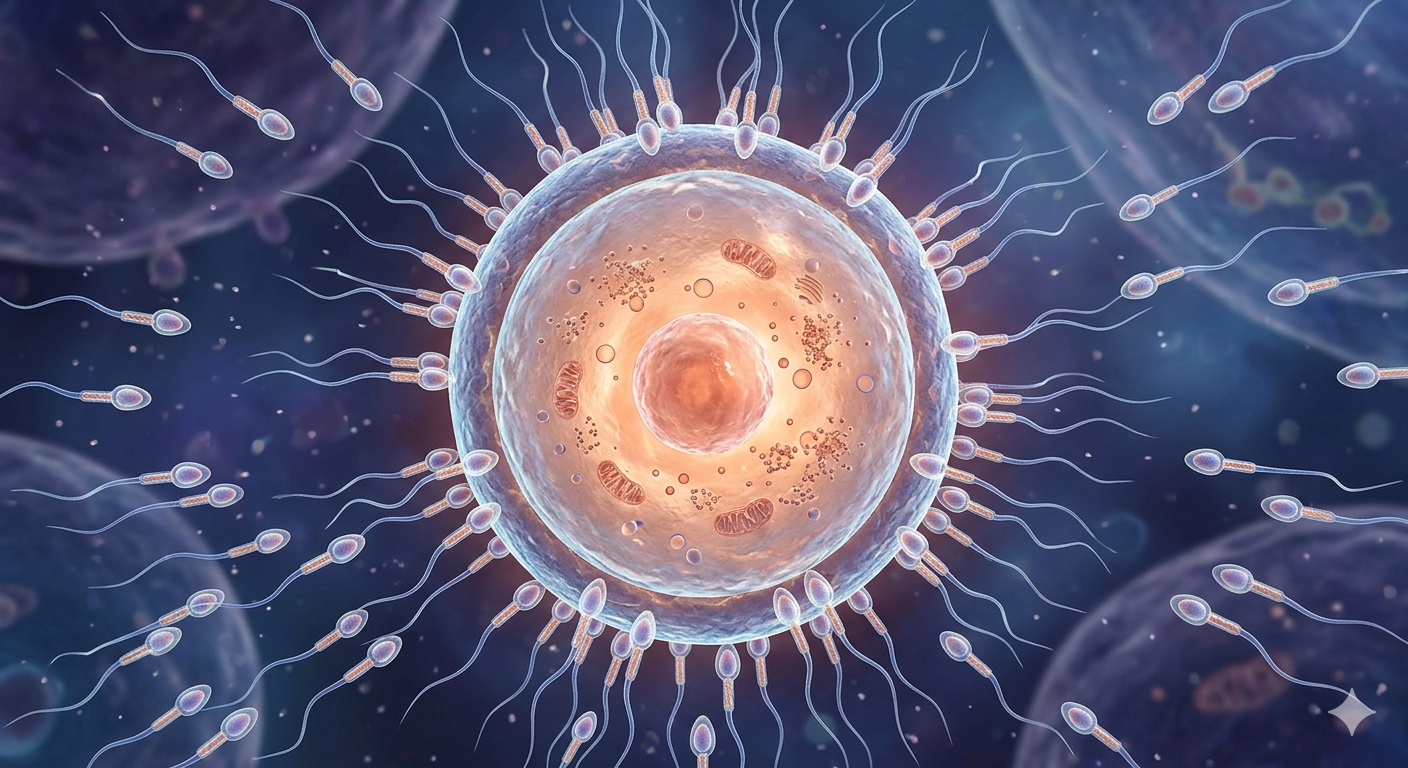
In vitro fertilization (IVF) is an assisted reproductive technology (ART) where an egg is fertilized by sperm outside the body, in a laboratory. The process involves retrieving mature eggs from the ovaries, fertilizing them with sperm in the lab, and then transferring the resulting embryo(s) into the uterus.
IVF is the most effective form of assisted reproductive technology. The procedure can be done using a couple's own eggs and sperm, or it may involve eggs, sperm, or embryos from a known or anonymous donor.
IVF was first successfully used in 1978, and since then, millions of babies have been born through this technology. At Fishtail IVF, we use the latest techniques and equipment to give you the best possible chance of achieving your dream of parenthood.
Why Is IVF Done?
IVF is a treatment for infertility or genetic problems. It may be offered as a primary treatment for infertility in people over age 38, or it can be used after other fertility treatments have failed. IVF is an option if you or your partner has:
- Fallopian tube damage or blockage — Damage to or blockage of the fallopian tubes makes it difficult for an egg to be fertilized or for an embryo to travel to the uterus. IVF bypasses the fallopian tubes entirely.
- Ovulation disorders — If ovulation is infrequent or absent, fewer eggs are available for fertilization. IVF combined with ovarian stimulation can help produce multiple eggs.
- Endometriosis — Endometriosis occurs when tissue similar to the uterine lining grows outside the uterus, often affecting the function of the ovaries, uterus, and fallopian tubes.
- Uterine fibroids — Fibroids are benign tumors in the uterus. They are common in women in their 30s and 40s and can interfere with the implantation of a fertilized egg.
- Previous tubal sterilization or removal — If you've had a tubal ligation and want to conceive, IVF may be an alternative to tubal ligation reversal surgery.
- Impaired sperm production or function — Below-average sperm concentration, weak movement (motility), or abnormalities in sperm size and shape can make it difficult for sperm to fertilize an egg.
- Unexplained infertility — This means no cause of infertility has been found despite evaluation for common causes.
- A genetic disorder — If you or your partner is at risk of passing on a genetic disorder to your child, you may be candidates for preimplantation genetic testing (PGT). After eggs are harvested and fertilized, they're screened for certain genetic problems. Embryos that don't contain identified problems can be transferred to the uterus.
- Fertility preservation for cancer or other health conditions — If you're about to start cancer treatment, such as radiation or chemotherapy, that could harm your fertility, IVF for fertility preservation may be an option. Eggs can be harvested and frozen for later use, or they can be fertilized and frozen as embryos for future use.
What Are the Steps of IVF?
A cycle of IVF typically takes about two to three weeks. Sometimes these steps are split into different parts, and the process can take longer. IVF involves several key steps:
Step 1: Ovarian Stimulation
At the start of a cycle, synthetic hormones are used to stimulate the ovaries to produce multiple eggs rather than the single egg that normally develops each month. Multiple eggs are needed because some eggs won't fertilize or develop normally after fertilization.
- Follicle-stimulating hormone (FSH), luteinizing hormone (LH), or a combination of both are injected to stimulate the ovaries.
- Medications to prevent premature ovulation are given so the eggs don't release too early.
- Progesterone supplements may be given to prepare the uterine lining for implantation.
- Your doctor will monitor your ovaries using ultrasound and blood tests over 10 to 14 days.
- When the follicles are ready for egg retrieval (usually after 10 to 14 days), a trigger shot of hCG is given to help the eggs mature fully.
Step 2: Egg Retrieval
Egg retrieval is done 34 to 36 hours after the trigger shot and before ovulation. The procedure is done under sedation.
- A thin needle is guided through the vagina into each ovary using transvaginal ultrasound.
- The needle is connected to a suction device that pulls eggs out of each follicle.
- Multiple eggs can be retrieved in about 20 minutes.
- After egg retrieval, you may experience cramping and feelings of fullness or pressure.
- Mature eggs are placed in a nutritive liquid (culture medium) and incubated.
Step 3: Sperm Retrieval
If you're using your partner's sperm, a semen sample is collected at the doctor's office on the morning of egg retrieval. If donor sperm is being used, it's thawed and prepared.
- The sperm is separated from the semen fluid in the lab through a process called sperm washing.
- In cases of male infertility, sperm may be retrieved directly from the testicle through a surgical procedure (TESA or PESA).
- The healthiest, most motile sperm are selected for fertilization.
Step 4: Fertilization
Fertilization can be achieved using two common methods:
- Conventional insemination — Mature eggs and healthy sperm are mixed and incubated overnight. Fertilization typically occurs during this time.
- Intracytoplasmic sperm injection (ICSI) — A single healthy sperm is injected directly into each mature egg. ICSI is often used when semen quality or quantity is a problem, or if fertilization attempts during prior IVF cycles failed.
- In some cases, preimplantation genetic testing (PGT) may be recommended to screen embryos for genetic abnormalities before transfer.
Step 5: Embryo Transfer
Embryo transfer is done at the doctor's office and usually takes place two to five days after egg retrieval.
- You may be given a mild sedative. The procedure is usually painless, though you might experience mild cramping.
- A long, thin, flexible tube called a catheter is inserted into your vagina, through the cervix, and into the uterus.
- A syringe containing one or more embryos suspended in a small amount of fluid is attached to the end of the catheter.
- The embryos are placed in the uterus using the syringe.
- If successful, an embryo will implant in the lining of the uterus about 6 to 10 days after egg retrieval.
What to Expect After Embryo Transfer
After the embryo transfer, you can resume normal daily activities. However, your ovaries may still be enlarged, so avoid vigorous activity, which could cause discomfort.
- You may experience mild cramping or bloating in the days following the transfer.
- Slight spotting or light bleeding is normal and not necessarily a sign of concern.
- Breast tenderness may occur due to high estrogen levels.
- You'll continue taking progesterone supplements to support the uterine lining.
- About 12 to 14 days after egg retrieval, your doctor will test your blood to detect whether you're pregnant.
The two-week wait between embryo transfer and the pregnancy test can be an emotionally challenging time. Our team at Fishtail IVF is here to provide support throughout this period.
How Successful Is IVF?
The success rate of IVF depends on a number of factors, including the cause of infertility, where you're having the procedure done, and your age. Success rates generally decrease as the age of the person providing the eggs increases.
- Under 35 years old — approximately 50-60% per cycle
- 35 to 37 years old — approximately 40-50% per cycle
- 38 to 40 years old — approximately 25-35% per cycle
- 41 to 42 years old — approximately 15-20% per cycle
- Over 42 years old — approximately 5-10% per cycle (donor eggs may be recommended)
It's important to understand that these are averages, and individual success rates can vary based on many factors. Cumulative success rates increase with multiple cycles — many couples who don't succeed in the first cycle go on to have a baby in subsequent cycles.
At Fishtail IVF, our experienced team uses the latest technology and protocols to maximize your chances of success.
What Are the Risks of IVF?
As with any medical procedure, IVF carries some risks. Your healthcare team will discuss these with you before starting treatment:
- Multiple births — IVF increases the risk of multiple births if more than one embryo is transferred. A pregnancy with multiple fetuses carries a higher risk of early labor and low birth weight.
- Ovarian hyperstimulation syndrome (OHSS) — Use of fertility drugs to stimulate ovulation can cause OHSS, in which the ovaries become swollen and painful. Symptoms may include abdominal pain, bloating, nausea, vomiting, and diarrhea. Severe OHSS is rare but can be serious.
- Miscarriage — The rate of miscarriage for women who conceive using IVF with fresh embryos is similar to that of women who conceive naturally, about 15% to 25%, and increases with age.
- Ectopic pregnancy — About 2% to 5% of women who use IVF will have an ectopic pregnancy, where the fertilized egg implants outside the uterus, usually in a fallopian tube.
- Egg-retrieval procedure complications — Use of the aspirating needle to collect eggs could possibly cause bleeding, infection, or damage to the bowel, bladder, or a blood vessel. Risks associated with sedation and general anesthesia also exist.
- Emotional stress — The IVF process can be physically, emotionally, and financially draining. Support from counselors, family, and friends can help you through the ups and downs.
How to Prepare for IVF
Before beginning an IVF cycle, you and your partner will need various screening tests and evaluations:
- Ovarian reserve testing — Blood tests and ultrasound to determine the quantity and quality of your eggs.
- Semen analysis — If not done as part of your initial fertility evaluation, a semen analysis will be performed.
- Infectious disease screening — You and your partner will be screened for infectious diseases including HIV.
- Uterine exam — Your doctor will examine the lining of your uterus before you start IVF, possibly through sonohysterography or hysteroscopy.
- Mock embryo transfer — A practice transfer may be done to determine the best technique and catheter type for placing the embryos in your uterus.
Your doctor may also recommend lifestyle modifications such as maintaining a healthy weight, reducing alcohol and caffeine intake, quitting smoking, and taking prenatal vitamins with folic acid at least three months before starting treatment.
IVF vs. IUI — What's the Difference?
Both IVF and IUI are fertility treatments, but they work in different ways and are suitable for different situations:
- IUI places washed sperm directly into the uterus and relies on natural fertilization. IVF combines eggs and sperm in a lab and transfers the resulting embryo(s).
- IUI is less invasive and less expensive, making it often the first treatment option. IVF is more complex but has significantly higher success rates.
- IUI requires at least one open fallopian tube. IVF bypasses the fallopian tubes entirely, so it works even with blocked or damaged tubes.
- IVF allows for preimplantation genetic testing (PGT) to screen embryos for genetic disorders. This is not possible with IUI.
- Most providers recommend trying 3 to 6 cycles of IUI before considering IVF, unless there are specific conditions that make IVF the better first option.
How Many IVF Cycles Does It Take?
The number of IVF cycles needed varies from person to person. While some people become pregnant after the first cycle, others may need two or more attempts.
Research shows that cumulative live birth rates increase significantly with multiple cycles. After three full cycles of IVF, cumulative success rates can reach 50-70% for women under 40.
Your doctor will review the results of each cycle and may make adjustments to medication dosages, timing, or embryo selection strategies to improve your chances in subsequent cycles.
It's important to discuss with your healthcare team how many cycles you're willing to try, taking into account emotional, physical, and financial factors.
When Should I Contact My Healthcare Provider?
During or after IVF treatment, contact your healthcare provider immediately if you experience any of the following:
- Severe abdominal pain or swelling
- Heavy vaginal bleeding
- Blood in your urine
- A fever over 100.4°F (38°C)
- Severe nausea or vomiting
- Difficulty breathing or shortness of breath
- Sudden weight gain of more than 2 kg in 24 hours
- Decreased urination
A Note from Fishtail IVF
We understand that the decision to pursue IVF is a significant one, and the journey can feel overwhelming at times. At Fishtail IVF, we're committed to providing you with not just the best medical care, but also the emotional support you need throughout this process.
Our team of experienced fertility specialists, embryologists, and support staff are here to guide you every step of the way. We use cutting-edge technology and evidence-based protocols to maximize your chances of success while ensuring your comfort and safety.
Every fertility journey is unique, and we tailor our approach to your specific needs. Don't hesitate to reach out to us with any questions — we're here to help you build the family you've always dreamed of.