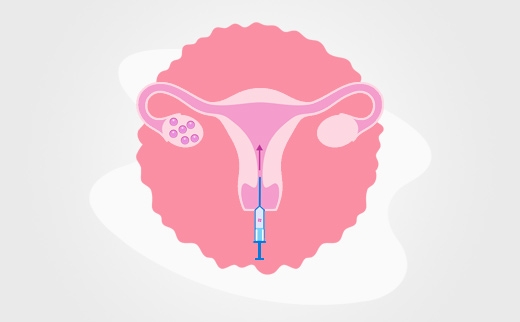
What Is Frozen Embryo Transfer (FET)?
A frozen embryo transfer (FET) is a type of IVF treatment in which a cryopreserved (frozen) embryo created during a previous IVF cycle is thawed and transferred into the uterus. FET allows you to use embryos from a prior cycle without having to go through ovarian stimulation and egg retrieval again.
Modern vitrification (flash-freezing) technology has made frozen embryo transfer extremely effective. Survival rates for thawed embryos are over 95%, and in many cases FET success rates are equal to or even higher than fresh embryo transfers.
FET gives you flexibility in the timing of your pregnancy and is an important part of comprehensive IVF treatment planning. If you produce multiple good-quality embryos during an IVF cycle, the extra embryos can be frozen for future use.
Why Is FET Done?
There are several reasons why your healthcare provider may recommend a frozen embryo transfer instead of a fresh transfer:
- Extra embryos from a previous IVF cycle — If you had surplus high-quality embryos from a prior cycle, they can be frozen and used later, avoiding the need for another full IVF cycle.
- Ovarian hyperstimulation syndrome (OHSS) risk — If you're at risk of OHSS after egg retrieval, your doctor may freeze all embryos and transfer them in a later cycle when your body has recovered.
- Preimplantation genetic testing (PGT) — Embryos may be frozen while waiting for genetic testing results. Once healthy embryos are identified, they can be thawed and transferred.
- Uterine lining not ready — Sometimes the uterine lining isn't thick enough or optimally prepared during a stimulated IVF cycle. FET allows the lining to be prepared in a more controlled way.
- Medical reasons — Illness, scheduling conflicts, or other medical concerns may require delaying the embryo transfer.
- Fertility preservation — Embryos frozen before cancer treatment, surgery, or for elective reasons can be transferred when you're ready to start a family.
- Failed fresh transfer — If a fresh embryo transfer was unsuccessful, remaining frozen embryos provide additional chances at pregnancy without starting over.
- Donor egg or surrogacy cycles — FET is commonly used when coordinating cycles between an egg donor and the intended parent or gestational carrier.
What Are the Steps of FET?
The FET process is simpler and less invasive than a full IVF cycle because it doesn't involve ovarian stimulation or egg retrieval. Here are the typical steps:
Step 1: Uterine Lining Preparation
The uterine lining needs to be properly prepared so the embryo can implant successfully. There are two main approaches:
- Medicated (programmed) cycle — Estrogen medications (pills, patches, or injections) are started early in the menstrual cycle to thicken the uterine lining. After about 2 weeks, progesterone is added to prepare the lining for implantation.
- Natural cycle — Your doctor monitors your natural menstrual cycle using ultrasounds and blood tests to determine when you ovulate. The transfer is then timed to match your natural progesterone rise.
- Modified natural cycle — A combination of natural cycle monitoring with a trigger shot to precisely time ovulation.
Step 2: Monitoring
Throughout the preparation phase, your doctor will monitor the thickness and appearance of your uterine lining using transvaginal ultrasound.
- The ideal lining thickness is typically 7mm or more with a trilaminar (three-layer) pattern.
- Blood tests may be done to check hormone levels (estrogen and progesterone).
- If the lining doesn't reach the desired thickness, the cycle may be canceled or adjusted.
Step 3: Embryo Thawing
On the day of transfer, the frozen embryo(s) are carefully thawed in the laboratory.
- Modern vitrification techniques result in embryo survival rates of over 95%.
- The embryologist assesses the embryo quality after thawing to ensure it has survived the process well.
- In rare cases, an embryo may not survive the thawing process. Your doctor will discuss backup plans beforehand.
Step 4: Embryo Transfer
The transfer procedure is the same as in a fresh IVF cycle — quick, painless, and performed without anesthesia.
- A thin catheter is passed through the cervix into the uterus.
- The thawed embryo is gently deposited into the uterine cavity using ultrasound guidance.
- The entire procedure takes about 5 to 10 minutes.
- You may rest for a short period afterward, but there's no need for extended bed rest.
Step 5: Luteal Phase Support & Pregnancy Test
After the transfer, you'll continue progesterone supplementation to support the uterine lining and early pregnancy.
- Progesterone is given via injections, vaginal suppositories, or oral medication.
- A blood pregnancy test (beta-hCG) is done about 10 to 14 days after the transfer.
- If the test is positive, progesterone support usually continues for the first 8 to 12 weeks of pregnancy.
What to Expect After FET
After a frozen embryo transfer, you can resume most normal activities. Some mild symptoms are common and usually nothing to worry about:
- Light cramping or bloating for a day or two
- Slight spotting or light bleeding (this can be from the catheter or implantation)
- Breast tenderness due to progesterone supplementation
- Fatigue is common, especially from progesterone
You should avoid strenuous exercise, heavy lifting, and hot baths or saunas in the days following transfer. Most doctors recommend taking it easy but not complete bed rest. Normal walking and light activities are fine.
The two-week wait between the transfer and pregnancy test can be an anxious time. Our team at Fishtail IVF is available to answer your questions and provide emotional support during this period.
How Successful Is FET?
Frozen embryo transfer success rates have improved dramatically thanks to vitrification technology. In many cases, FET success rates are comparable to or higher than fresh embryo transfer rates:
- Under 35 years old — approximately 55-65% per transfer
- 35 to 37 years old — approximately 45-55% per transfer
- 38 to 40 years old — approximately 35-45% per transfer
- 41 to 42 years old — approximately 20-30% per transfer
- Over 42 years old — success depends heavily on the age at which the embryos were created, not the age at transfer
An important factor is that the age that matters most is the age at which the eggs were retrieved, not the age at which the frozen embryo is transferred. This means if you froze embryos at 32 but use them at 38, your success rate is closer to that of a 32-year-old.
At Fishtail IVF, our vitrification protocols ensure the highest possible embryo survival and pregnancy rates.
What Are the Risks of FET?
FET is generally considered very safe, with fewer risks compared to a full IVF cycle since there's no ovarian stimulation or egg retrieval involved:
- Embryo not surviving the thaw — While rare with modern vitrification (less than 5% chance), it can happen.
- Failed implantation — The embryo may not implant in the uterine lining. This is the most common reason a FET cycle doesn't result in pregnancy.
- Ectopic pregnancy — In rare cases, the embryo may implant outside the uterus.
- Multiple pregnancy — If more than one embryo is transferred, there's a risk of twins or higher-order multiples.
- Side effects from medications — Estrogen and progesterone supplements can cause bloating, headaches, mood changes, and breast tenderness.
- Miscarriage — The risk of miscarriage is similar to natural conception and fresh IVF transfers.
FET vs. Fresh Embryo Transfer
Both fresh and frozen embryo transfers are effective. Here's how they compare:
- FET allows the body to recover from ovarian stimulation before the transfer, which may result in a more receptive uterine lining.
- Fresh transfers happen in the same cycle as egg retrieval, meaning there's no waiting period.
- FET gives time for preimplantation genetic testing (PGT) results, allowing selection of genetically normal embryos.
- Research suggests FET may be associated with slightly lower rates of preterm birth and low birth weight compared to fresh transfers.
- FET cycles are less expensive than a full IVF cycle since they skip stimulation and retrieval.
- Fresh transfers may be preferred when only one or two embryos are available and they are of good quality.
How Long Can Embryos Stay Frozen?
Embryos can remain frozen indefinitely without any decrease in quality. There have been successful pregnancies from embryos frozen for over 20 years.
The vitrification process essentially pauses all biological activity in the embryo. As long as the storage conditions are maintained properly, the embryo's quality remains the same whether it's been frozen for one month or ten years.
At Fishtail IVF, we use state-of-the-art cryostorage facilities with 24/7 monitoring and backup systems to ensure the safety of your frozen embryos.
When Should I Contact My Healthcare Provider?
After a frozen embryo transfer, contact your healthcare provider if you experience:
- Heavy vaginal bleeding (more than spotting)
- Severe abdominal or pelvic pain
- Fever over 100.4°F (38°C)
- Signs of an allergic reaction to medications
- Severe nausea or vomiting
- Difficulty breathing
A Note from Fishtail IVF
Frozen embryo transfer represents a remarkable advancement in reproductive medicine. It gives couples and individuals more flexibility, more chances at pregnancy, and often better outcomes than ever before.
Whether you're using embryos from a previous cycle, undergoing PGT, or building your family on your own timeline, our experienced team is here to guide you through every step. At Fishtail IVF, we combine cutting-edge cryopreservation technology with compassionate, personalized care to help you achieve your dream of parenthood.